The UK’s research and innovation sector is thriving, attracting investment from around the world. International partnerships contribute to over half of the research in the UK. Universities already dedicate considerable resources to assessing the financial stability and potential fraud risks of research partners or funders. But it’s just as important to evaluate whether these partners raise ethical or national security issues.
Given the present geopolitical environment, it would be naive to assume that all states and entities have good intentions. It’s possible that some may take advantage of the open nature of international research collaborations for their own means or agendas.
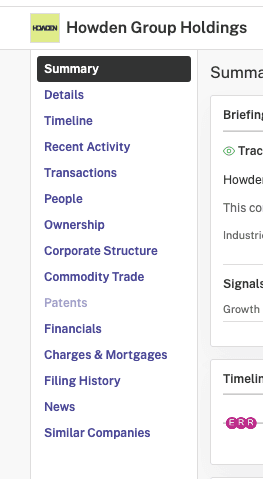
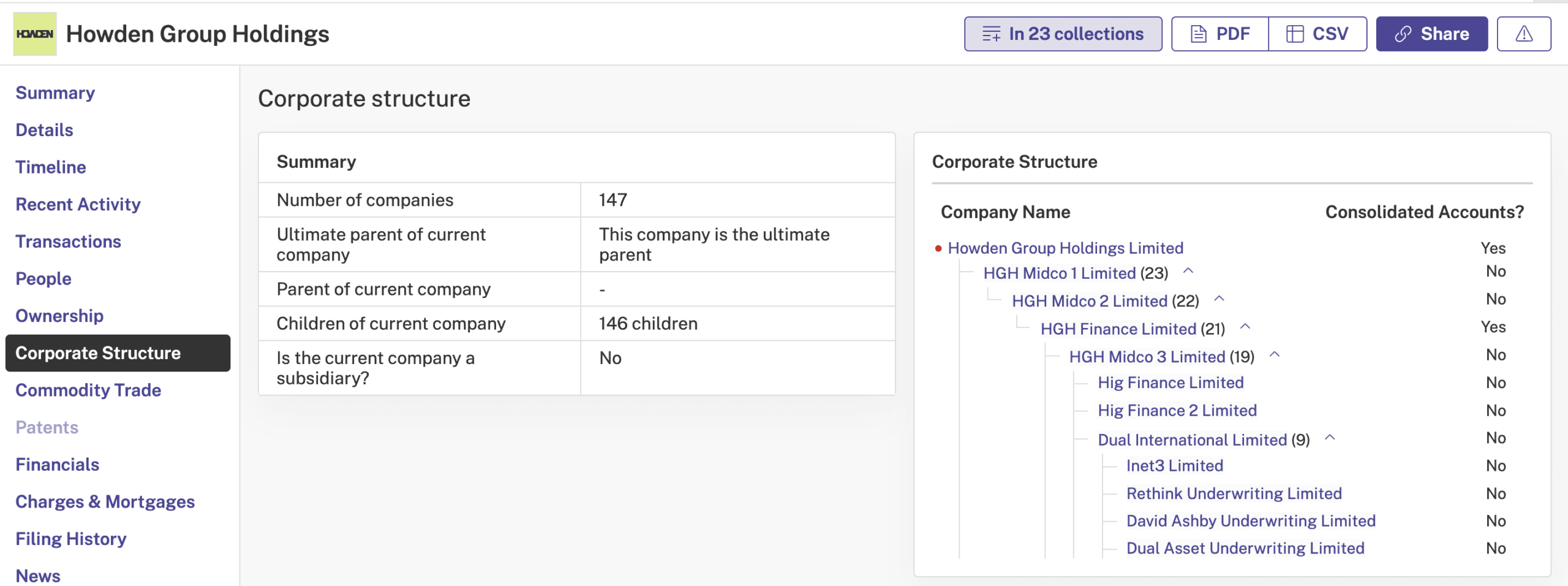
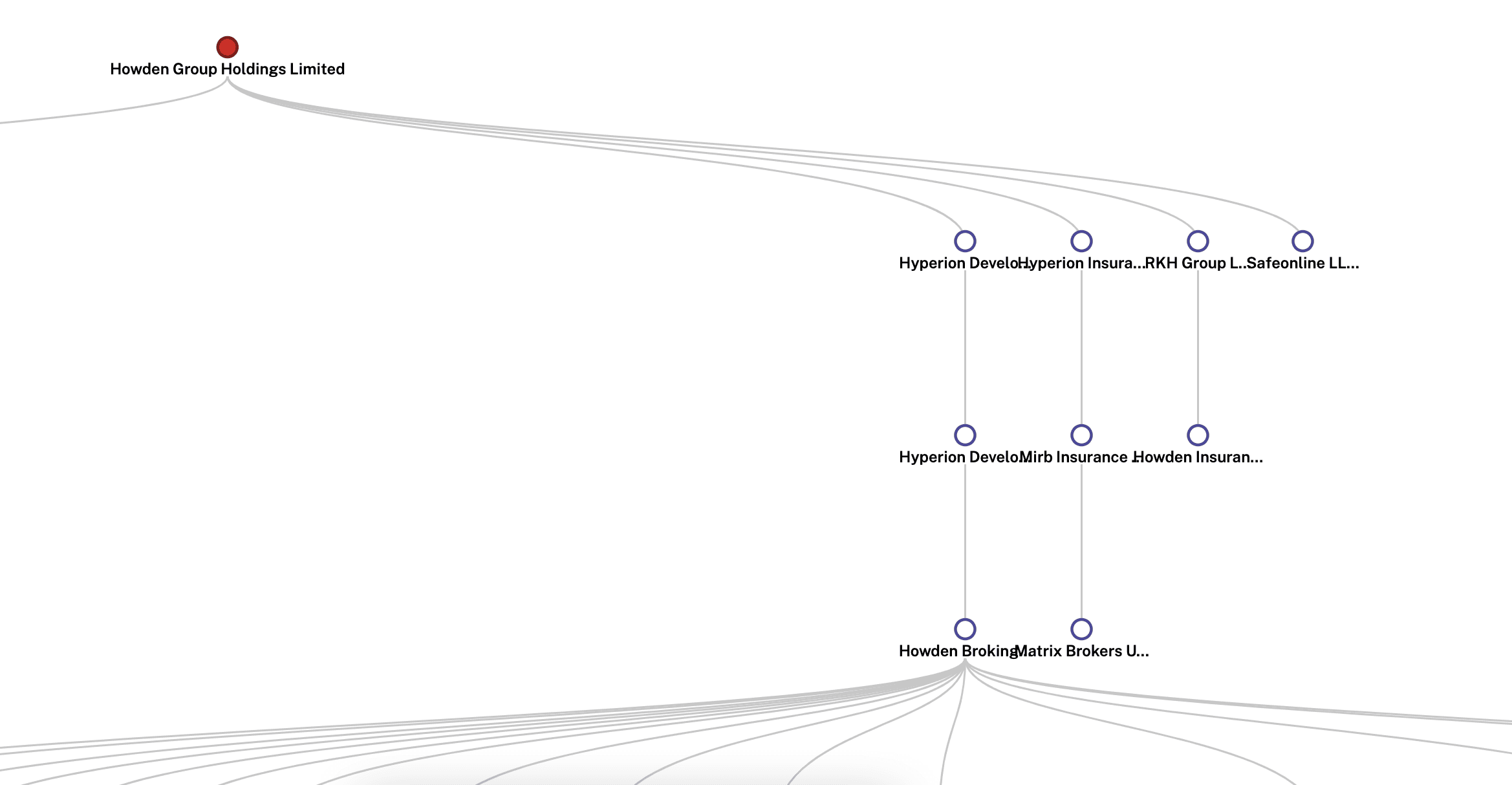
For academic institutions, this throws up issues across the entire university. Every team, from research to procurement to due diligence teams, have to be careful with who they trust to work with. And yet, great work is done when you trust those you’re partnering with and agree on a shared goal. So, how can universities check the legitimacy of potential collaborators? That’s where the value of corporate structure data comes in.
New government regulations: Trusted Research
Over £1b of research funding comes from abroad each year. In the 2017/18 academic year, UK universities received £8.2b in research income, with £1.32b sourced internationally.