
How to Build Networks with HNWIs
Turn networking from chance encounters into a targeted strategy
Building a strong network of high-net-worth individuals (HNWIs), from founders to senior C-suite individuals, is instrumental for successful wealth managers and tax advisors. So why is it so difficult?
There are no shortcuts to building quality, long-lasting relationships — that’s why meeting people and spending time getting to know them is so valuable. However, there are signs you can use to ensure you’re speaking to the right people.
In this article, we’ll examine all of these approaches and explore how you can use business intelligence platforms to approach networking in a more strategic, purposeful way.
What advisors mean by HNWIs
High-net-worth individuals are not a single, homogenous group of individuals with liquid assets. Nor are they simply founders. Directors, C-Suite members with a high amount of stock, and other major shareholders in high-growth companies all form part of this cohort of HNWIs.
This is an important distinction because of a historic focus on privately-held wealth. Focussing predominantly on networking with cash-rich individuals means missing out on potential future HNWIs. Being able to spot entrepreneurial wealth, and moving past purely financial wealth, is therefore vital in order for advisory-focused professionals to grow their contact books.
How Wealth Managers Use Beauhurst
Find out how private wealth is being built as we analyse trends and challenges in wealth creation across the UK and Europe.
A more targeted approach to building HNWI networks
In order to ensure you’re meeting the right people, successful networking with HNWIs must begin before the first conversation.
In practice, this means identifying the right people to prioritise. To do this, you first need to be clear on the type of HNWI you’re looking for.
Defining and establishing your target HNWIs
Founders of early-stage startups
Perhaps you wish to meet founders of early-stage startups that are operating in proven, high-growth industries.
Founders of companies demonstrating a proven ability to scale are likely to reach a point of requiring advisory services such as corporate tax advice or wealth management. And even if they aren’t cash-rich now, these individuals could be in a year or two.
Large stakeholders in exit-ready businesses
Similarly, individuals with large stakes in businesses likely to exit, or exhibiting signs of succession planning, are well worth keeping an eye on. With close monitoring, both M&A events and MBO/MBIs can be tracked with relative ease.
For example, if a company with impressive revenue growth hires a Chief Financial Officer (CFO), or younger family member is appointed to the company board, this could be a sign that a current senior stakeholder is about to exit the business. These are just two signals, but there are numerous ways to predict an exit.
Investors in nascent high-growth industries
Early backers of the next big high-growth industries are another great opportunity for networking.
In this instance, look for individuals investing in numerous startups in emerging industries, such as robotics — especially if they have a good track record of backing successful businesses. Eventually these investors will want to convert that paper wealth into liquidity.
This is where business intelligence tools and company data platforms come in, helping to build a clearer picture of an individual’s background, their current and previous investments, and ultimately build stronger initial conversations.
Exits in the UK: Selling Up, Not Out
Cur latest report, in collaboration with Charles Stanley, explores the evolving landscape of acquisitions, IPOs, and the rising trend of secondary transactions.
Practical ways advisors can build networks with HNWIs
The traditional methods of meeting, connecting with, and building networks with HNWIs usually involves at least one of the following:
- Attending industry, private and sector-specific events
- Using professional introducers and existing clients
- Building visibility around high-growth businesses and entrepreneurial ecosystems
- Staying close to founders during key business moments
All of these approaches remain valid; they’re the cornerstones of networking and building business opportunities with HNWIs.
However, there are limitations for advisory professionals who rely purely on these approaches.
The limits of traditional HNWI networking approaches
Events and referrals remain a vital part of how advisers build long-term relationships with HNWIs. They create trust, introductions and meaningful connections that often develop over many years.
However, when relied on in isolation, they can end up shaping networks based around who an adviser happens to meet, rather than helping prioritise individuals who may be approaching a meaningful advisory moment.
In practice, this can mean advisers investing time in a wide range of relationships — many of which may become valuable in the long term — but without clarity on when those individuals are most likely to need specialist support, or how they align with the firm’s current focus.
It can also take time to build meaningful business relationships, and if you don’t know if they’re the right person to be networking with in the first place, you’re pouring time into a relationship that simply may not be the right fit.
It’s therefore vital that provisioners of wealth management and tax advisory services reconsider the status quo. In other words, to move from opportunistic, speculative networking to a more focused, intentional strategy.
Take a tour
Using company data platforms to identify HNWIs
In order to move from incidental to intentional networking, advisory professionals should strongly consider the business intelligence options available to them.
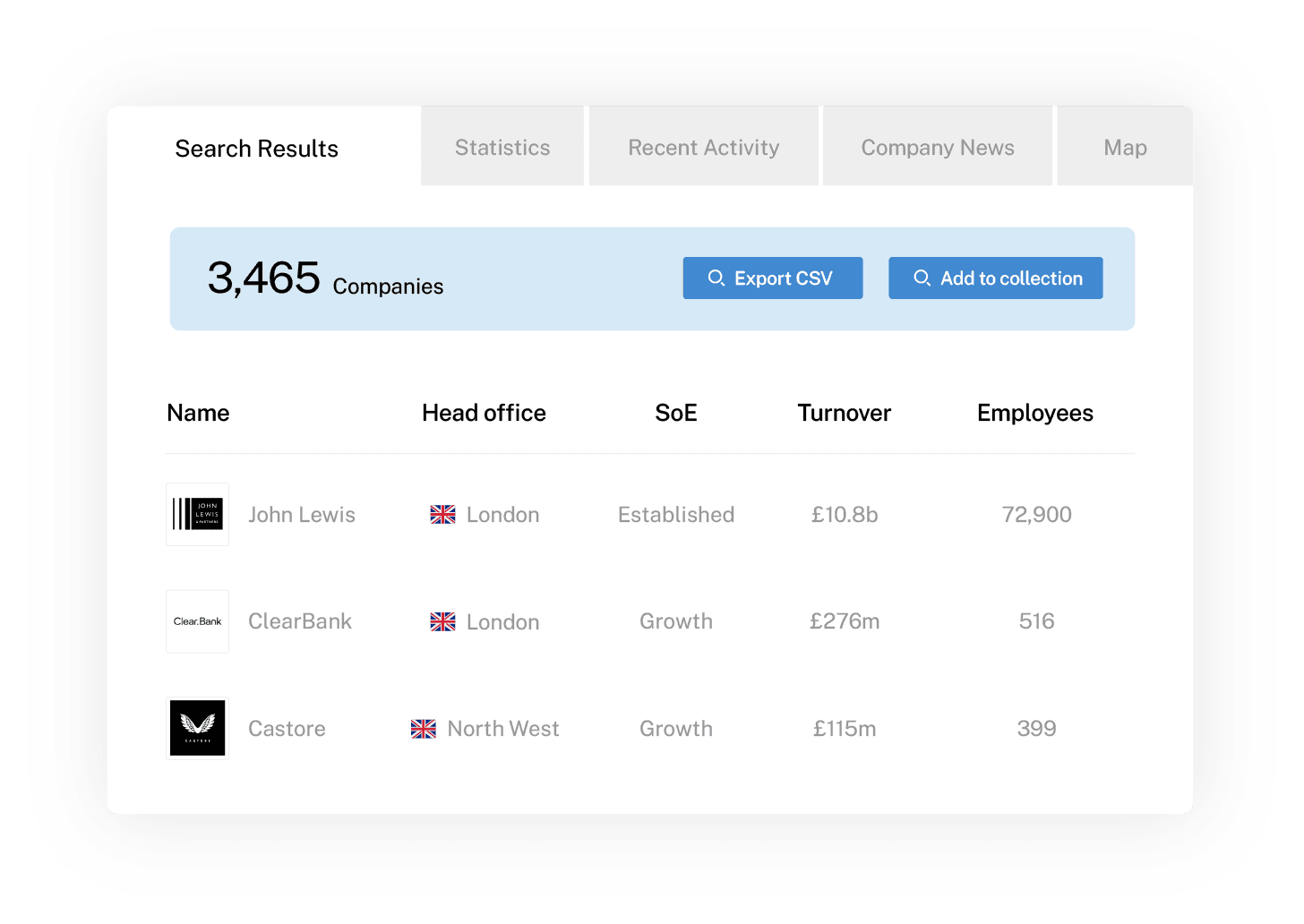
For example, using a company data platform (like Beauhurst) means you can explore company hierarchies and cap tables, in addition to monitoring individual investor profiles to spot investment trends. These may include an investor’s interests in companies’ industry, geography, and stage of growth, amongst others.
You can also determine what their current focus is by examining their current shareholdings and identifying recent milestones such as fundraising, scaling or exit activity. This works two-fold; informing you whether they’re a good fit for your network, and offering some contextual points of discussion once you’re introduced.
Simply put, tools like these help advisory professionals move from broad, undefined, and incidental outreach to more focused, strategic engagements.
Using company data platforms to identify HNWIs
Building stronger networks with HNWIs
Building strong HNWI networks is less about casting the widest net and more about focused, purposeful networking.
The most effective relationships are developed intentionally, rather than incidentally, with a clear understanding of who advisors want to target, and the best time to make that connection.
Data-led insights can, and do, play a key role in supporting this shift. With greater context, advisers are better positioned to have informed, relevant conversations that reflect an individual’s current needs, whether that’s succession planning, managing liquidity following an exit, or preparing for future growth.
Advisors who combine traditional relationship-building with data-led understanding are better equipped to build networks that are better-aligned, more engaged, and more likely to deliver long-term value.
Subscribe to our newsletter for regular analysis, or take a quick online tour of the plaform to see how Beauhurst can help your team.
Discover our data.
Get access to unrivalled data on the companies you need to know about, so you can approach the right leads, at the right time.
Schedule a conversation today to see all of the key features of the Beauhurst platform, as well as the depth and breadth of data available.
We’ll work with you to build a sophisticated search, returning a dynamic list of organisations that match your ideal customer profile.
Beauhurst Privacy Policy