When “surface-level” data slows you down, and how top firms are fixing it
There’s a quiet frustration running through legal teams today — one that rarely makes it into partner meetings or pitch decks, yet affects nearly every matter. Lawyers are spending more and more time gathering basic company information, digging through disparate platforms, piecing together filings, scraping LinkedIn profiles, stitching press articles into timelines, and trying to make sense of incomplete, inconsistent, or simply surface-level information.
It’s the kind of work everyone must do but no one is rewarded for. And it’s consuming far too much of the modern lawyer’s week.
The Thomson Reuters Legal Workflow Study found that legal professionals now spend around 20% of their time on manual research alone. Other studies show that firms reclaim 10–20% billable capacity and halve diligence prep time when they automate even part of this workflow.
Utilisation and efficiency matter more than ever, and the firms that can research faster and with more depth give themselves an immediate operational advantage.
This article breaks down how leading UK law firms are automating company research, what this looks like in practice, and how you can replicate their processes using Beauhurst.
The real cost of surface-level data
Many lawyers describe the same experience:
You’re preparing for a meeting or writing a briefing. You open Companies House, pull in the filings, scan LinkedIn, search the press, check Crunchbase, Google the directors, search again because something didn’t quite match, create a timeline manually, and cross-check shareholders.
And after all that, you have a picture — but still a surface-level one. You know what happened, but not necessarily why, or how, or what it means next. And you might still be missing things.
The hidden cost isn’t only time. It’s confidence. It’s the difference between walking into a meeting well prepared, or walking in with gaps.
Firms who automate research aren’t simply working faster, they’re working from a deeper, more reliable understanding of the companies they advise, pitch, or monitor.
What “automated research” actually looks like
When we talk about automating company research, we’re not referring to replacing the lawyer. We’re referring to replacing the manual labour of information-gathering so teams can focus on interpretation, risk assessment, and strategy.
Here’s what the workflow looks like in firms that have switched to automated research:
1. One source of truth for every company
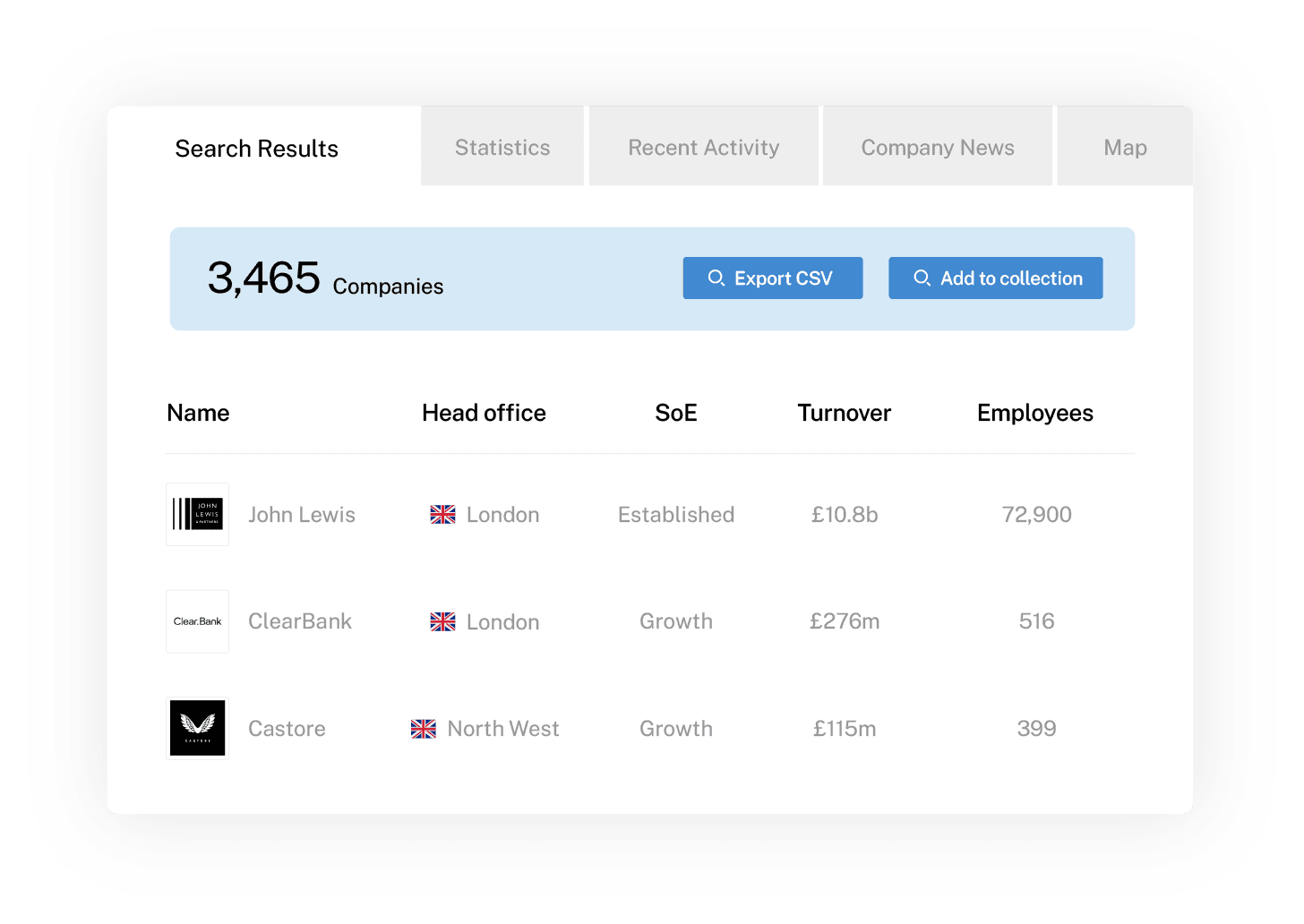
Instead of juggling filings, press, LinkedIn, credit sources, and web searches, lawyers use Beauhurst as a single consolidated view of:
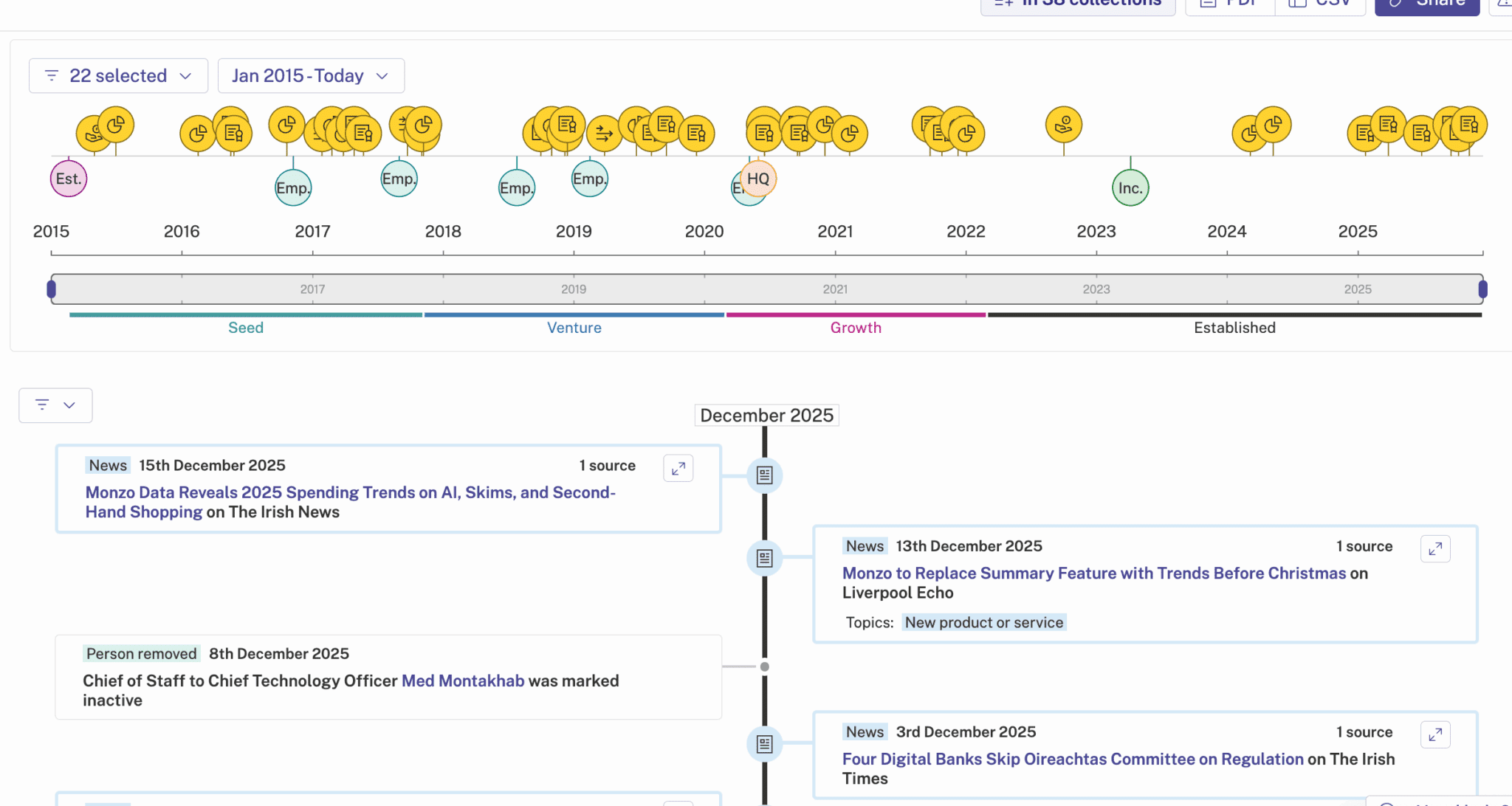
- The company’s full timeline of events and news
- Verified financials and filings
- Shareholders, directors, PSCs, and board changes
- Funds raised, M&A activity, grant awards, spinouts and subsidiaries
- Hiring and growth patterns
- Risk signals, credit stress, or governance irregularities
This is the shift from surface-level data to context-rich insight. Beauhurst becomes the starting point — and often the only point — for preparing.
2. Ready-made timelines and analysis
What used to take an hour now takes seconds. Beauhurst automatically organises filings, appointments, ownership changes, funding events, and key milestones into a chronological, meeting-ready history.
This is not simply a list of data points, it’s the narrative arc of a company. It’s the kind of insight that lets lawyers ask sharper questions and spot gaps faster.
3. Research that updates itself
One of the biggest limitations of “manual” research is how quickly it expires. A fresh filing, a new director, a funding event, and everything you did last week is suddenly out of date.
Automated research solves that by refreshing in real time. If something material changes, you don’t have to go find it, the system flags it.
4. Tear sheets that eliminate hours of prep
This is where automation becomes visible.
A Beauhurst tear sheet pulls every relevant insight — growth, ownership, financial health, risk indicators, leadership, filings, headcount, funding, press coverage — into a single briefing document.
Partners use them before pitches. Associates use them before meetings. BD teams use them before outreach.
It’s the modern equivalent of turning hours of research into a two-minute download.