Where AI can be an asset for commercial research
Whether you’re a user of ChatGPT, Gemini, Copilot, or Claude — large language model-based AI tools have a relatively low cost of entry.
And for fast-growing startups, they’re a great way to perform basic research at scale. They provide quick responses and pull insights from across the web, making them useful for top-level research.
However, LLMs are still in their relative infancy and therefore can be prone to hallucinations (aka making things up!). They also don’t often show their sources of information in their responses, making it hard to verify whether their answers are 100% factual.
We would advise against using an AI tool as your primary competitor research tool — especially in the context of making important business decisions.
The risks of relying solely on AI
AI technologies are prompt-dependent
When using any LLM, the output you receive is largely dependent on your input — in other words, your prompting skills. For example, if you ask ChatGPT for a list of companies in a specific industry, the response will vary based on how the question is framed.
A broad query like ‘List the top fintech startups’ might return well-known names, but will almost always overlook niche, or emerging companies. You could refine the prompt to ‘List fintech startups in the UK founded after 2020 with at least £5m in funding’, which may produce better results.
However, LLMs like ChatGPT rely on publicly available text-based information, typically from web pages rather than embedded files. This means structured financial filings, such as Companies House documents, are not included unless manually uploaded or extracted through other tools.
Unreliable and inconsistent data
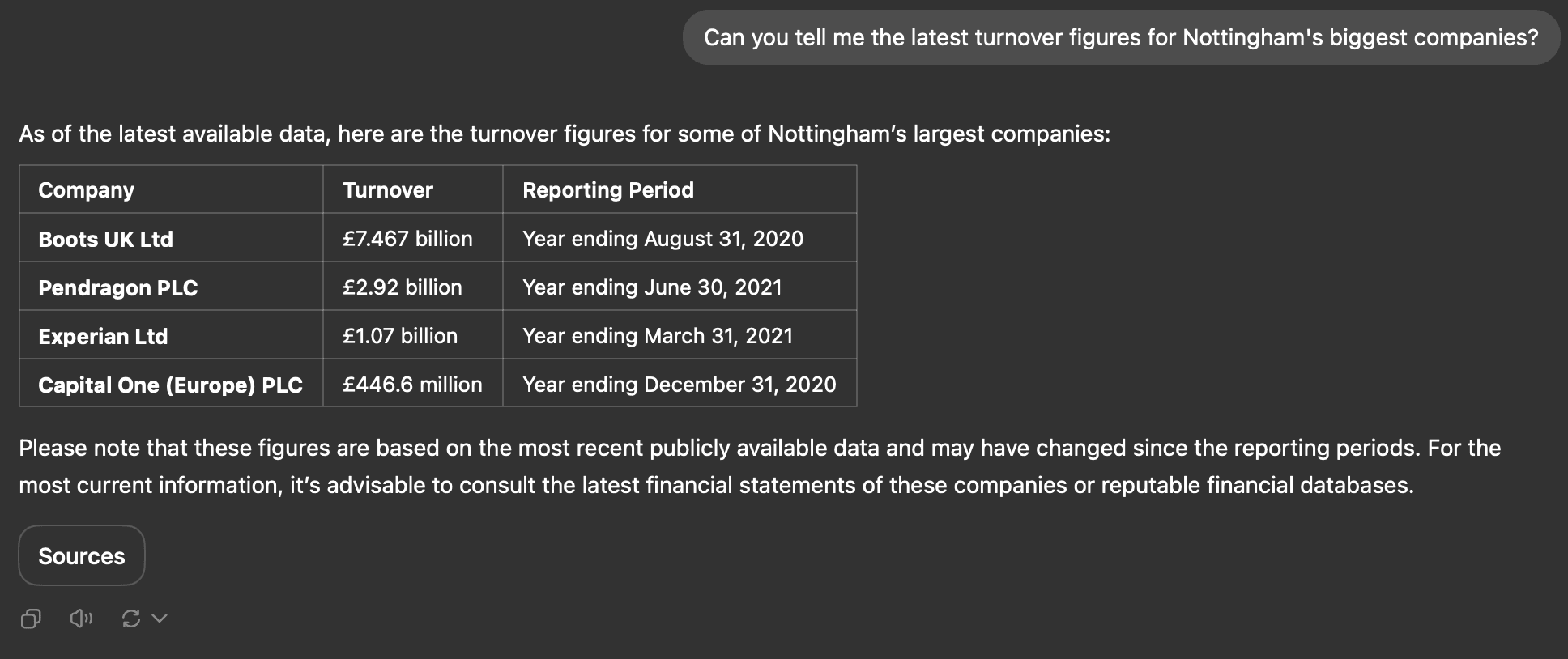
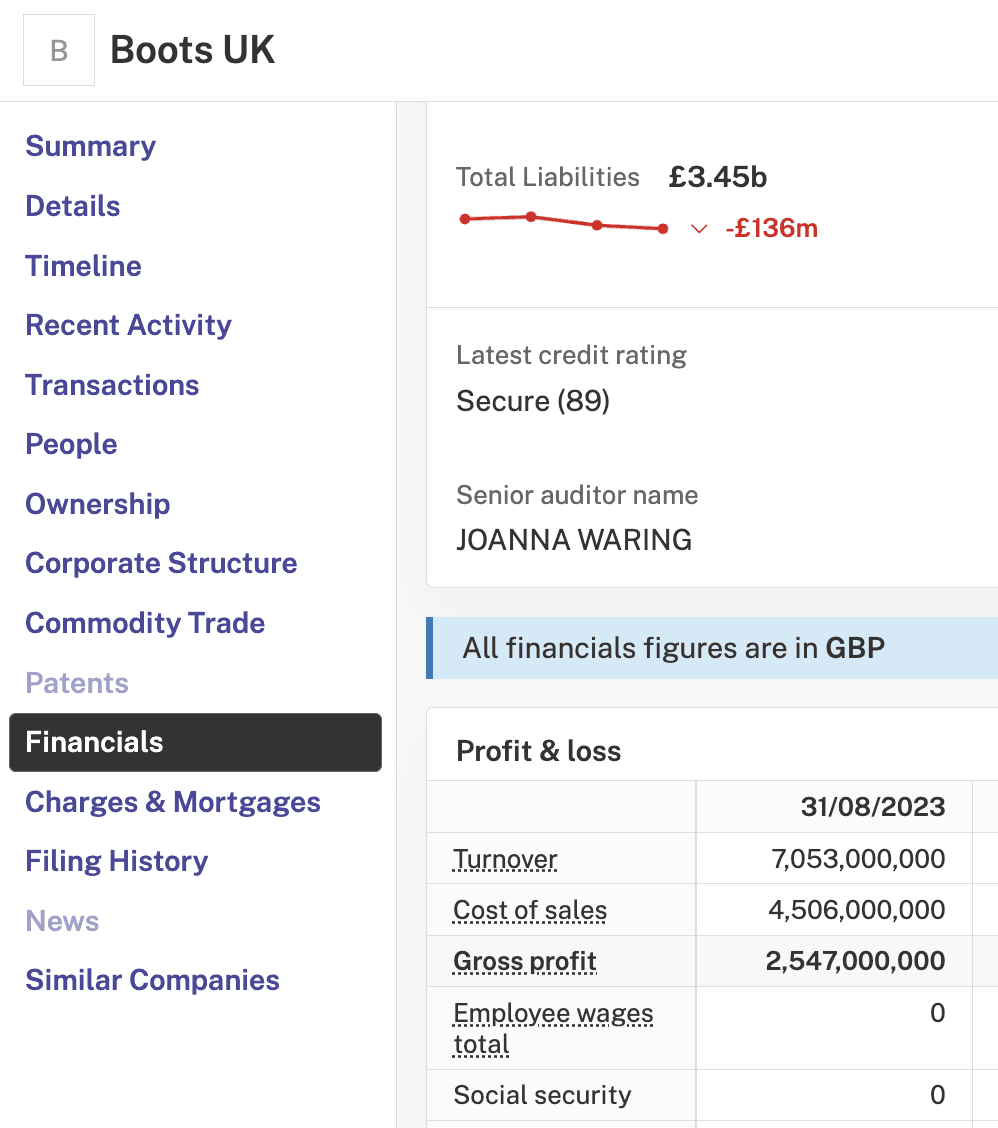
Another risk of exclusively using ChatGPT for competitor research is the reliability of data. Even now, ChatGPT is prone to hallucinate and create convincing-sounding — but nonetheless factually inaccurate — claims about topics and companies. We’ll explore an example of this later in the article.
Consistency is also a challenge. Asking the same question, but worded in a subtly different way, can shift the emphasis of your request and therefore yield very different answers. This variability can undermine reliability and confidence in the data.
Lack of a research-oriented interface
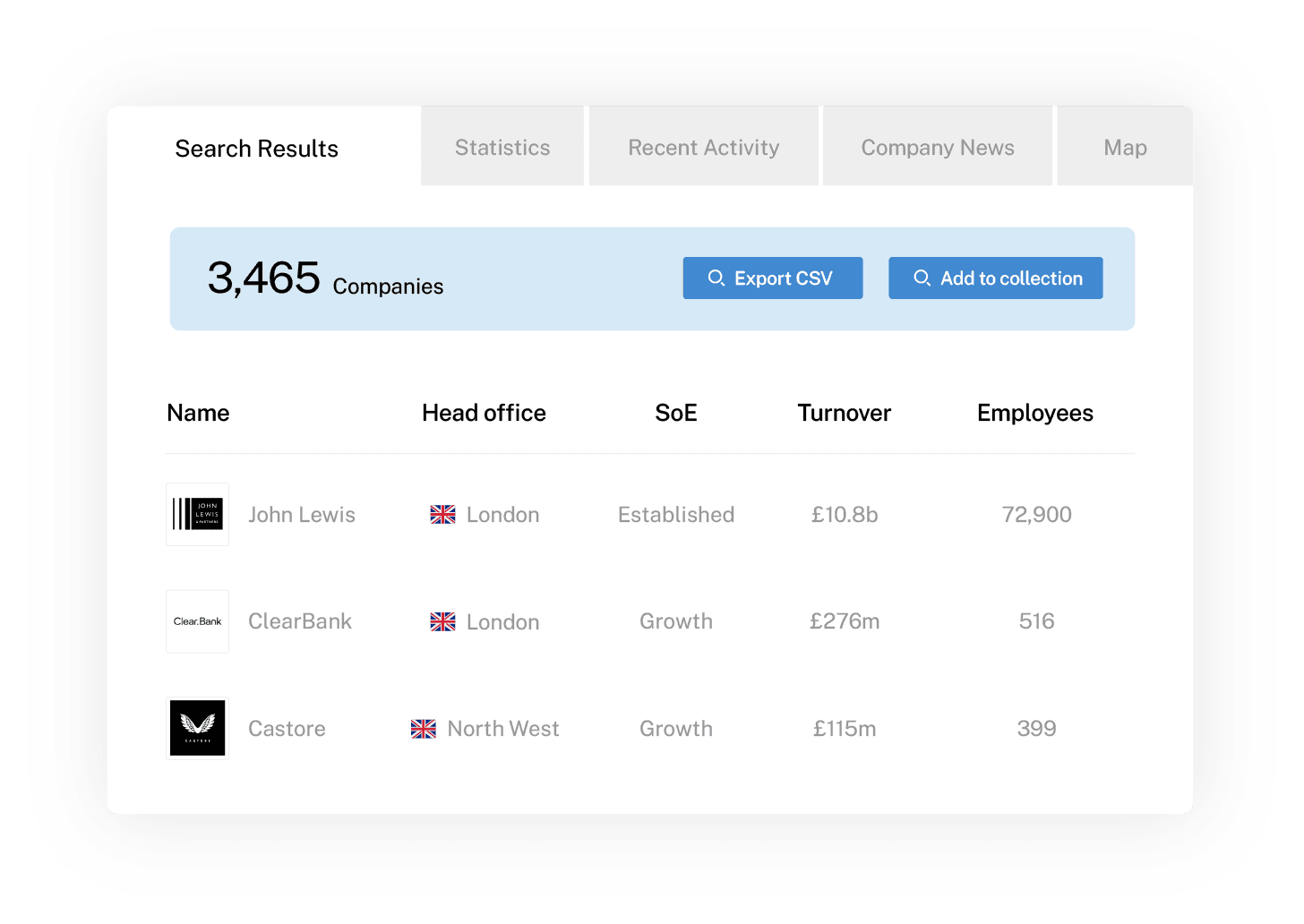
Unlike dedicated market intelligence platforms, AI tools lack structured search functionality, filtering options, and data visualisation tools—all critical for serious competitor research.
Whichever AI tool you use, they are not designed as structured research databases. Instead, they function as text-based input/output systems, meaning users cannot easily filter by funding rounds, industry trends, or company performance metrics.
While you can export AI-generated data to a spreadsheet, the inconsistent sourcing and lack of structured outputs make it difficult to conduct reliable analysis or compare results over time. In contrast, platforms like Beauhurst provide verifiable, structured company intelligence with real-time updates, ensuring accuracy and consistency.